Old Town Alexandria Living by the Waterfront
July 16, 2026
July 16, 2026
What does it really feel like to live near the Old Town Alexandria waterfront when you are not there for a special occasion? If you are considering a move to this part of Northern Virginia, you likely want more than postcard views and weekend appeal. You want to know how the area works day to day, what the streets feel like, and how people actually spend their time here. This guide walks you through the rhythm of everyday life along the waterfront so you can picture it more clearly. Let’s dive in.
Old Town Alexandria’s waterfront sits within the city’s historic urban core, and that shapes nearly every part of daily life. Rather than feeling like one long, uniform shoreline, the waterfront reads as a sequence of promenades, parks, older buildings, and public spaces that grew out of the area’s history of wharf construction and landfilling.
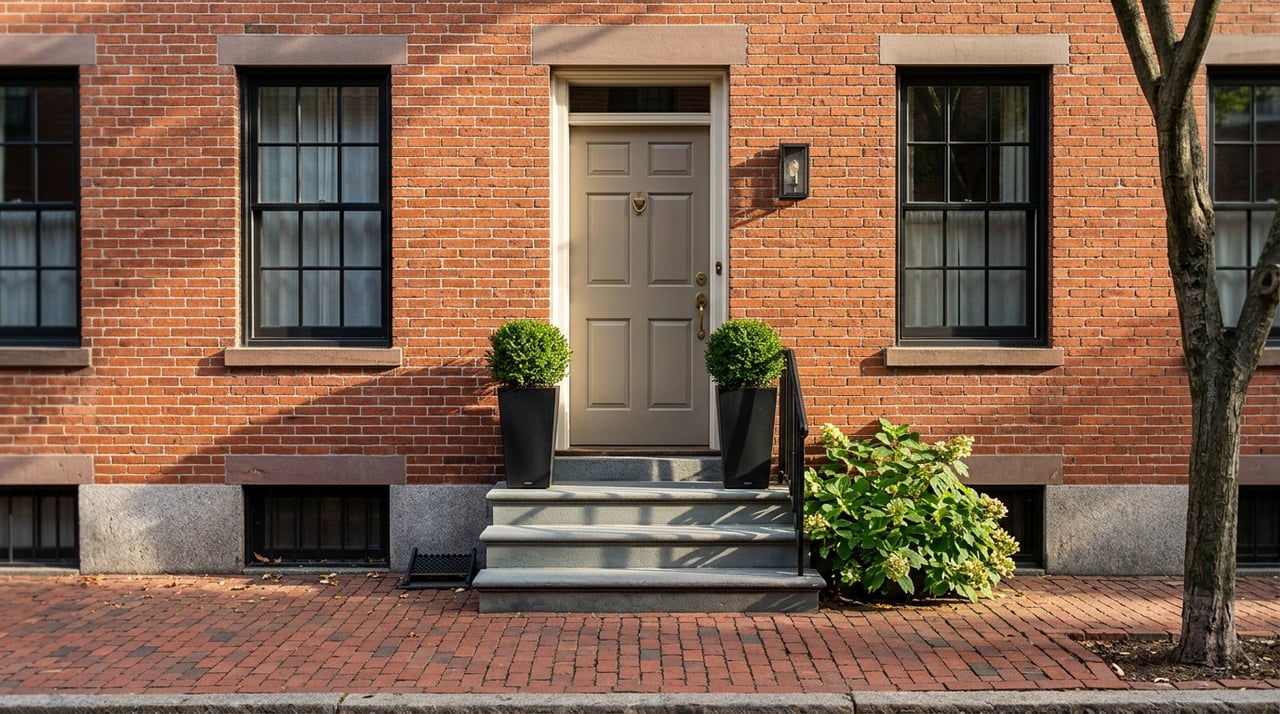
That layered setting gives the neighborhood a very specific character. You move from brick sidewalks and preserved facades to open river views, public plazas, and green space in just a few blocks. For many buyers, that mix is part of the appeal because the area feels both established and active.
The architecture also plays a big role in the atmosphere. The city notes that Old Town has more than 200 pre-1820 structures, with especially strong Georgian and Federal period architecture. Around the waterfront, preserved warehouse buildings stand beside later adaptations and newer public-space improvements, which creates a setting that feels historic without feeling frozen in time.
One of the biggest lifestyle advantages along the Old Town waterfront is how easy it is to get around on foot. A normal day can include coffee, errands, a walk by the river, and dinner nearby without needing to drive between stops.
Waterfront Park helps anchor that routine. It is open from sunrise to sunset and includes benches, picnic space, public art, and walking and running trails. The park also hosts small city-sponsored festivals and events, so even a familiar route can feel a little different depending on the week.
The waterfront also connects naturally to King Street’s shops and dining. The current interim Waterfront Park links the retail corridor to the river with an open plaza, promenade, shade structures, and flexible gathering space. The city has been clear that this version is temporary as flood-mitigation planning moves forward, but it still plays an important role in everyday movement and activity.
If you want a neighborhood where a car is optional for part of your routine, this area stands out. The free King Street Trolley runs every day, every 15 minutes, between the King Street-Old Town Metro station and City Hall and Market Square, making it easy to reach the waterfront from transit.
That Metro station is more than just a train stop. The city describes King Street-Old Town as Alexandria’s largest transit facility and a multimodal hub with Metro, DASH buses, bikeshare, carshare, taxis, shuttles, and nearby VRE and Amtrak service. For commuters, frequent travelers, or buyers relocating to the DMV, that kind of access can make day-to-day planning much easier.
Wayfinding also supports the neighborhood’s walkable feel. Alexandria uses kiosks and signage designed to reduce visual clutter while encouraging walking, biking, and transit use. In practical terms, that means the area tends to feel easier to navigate, especially if you are still learning the neighborhood.
Along the Old Town waterfront, outdoor time does not have to be a special event. It can simply be part of your morning or evening.
The Mount Vernon Trail and Alexandria’s wider multi-use trail network add another layer to daily life here. For some residents, that means a jog with river views before work. For others, it means biking, walking, or fitting in a casual outdoor break without leaving the neighborhood.
Water access also shapes the lifestyle in a way that is hard to miss. The City Marina offers overnight slips, short-term docking, sightseeing and charter boat service, and water taxi connections to Georgetown, Mount Vernon, and National Harbor. Even if you are not out on the water every week, having those options nearby adds to the waterfront’s lived-in appeal.
A big part of everyday life in Old Town is that culture is woven into the neighborhood instead of set apart from it. You do not need to plan a full day around it. It shows up naturally as part of a walk, an errand, or an afternoon outside.
The Torpedo Factory remains one of the area’s best-known activity centers, providing work and gallery space for about 160 artists. That gives the waterfront an ongoing creative presence rather than a purely tourist-oriented feel.
History is also easy to engage with in a low-key way. Alexandria’s African American Heritage Trail includes north and south waterfront routes that begin at Waterfront Park and can be followed on a phone or computer. In practice, that means an ordinary stroll can also become a self-guided history walk when you want a deeper sense of place.
The city also frames the waterfront as a year-round setting for strolling, biking, relaxing, and enjoying shops and dining. Street performances have long been part of public life in Old Town, which adds another layer of activity and energy without requiring a major event calendar.
Some neighborhoods feel very different depending on the season, and the Old Town waterfront is no exception. The good news is that it tends to stay active throughout the year.
In summer, waterfront programming has included events like Sails on the Potomac and the 48th Annual ALX Jazz Fest, with tall ship tours, music, public art, and family-oriented activities centered near the river. These events bring extra movement and interest to the area while reinforcing the waterfront’s role as a community gathering place.
Winter has its own traditions. The annual Holiday Tree Lighting in Old Town, the Holiday Boat Parade of Lights with dockside festivities at Waterfront Park, and New Year’s Eve fireworks at Waterfront Park all help keep the neighborhood lively during colder months.
For buyers considering a home nearby, that seasonal rhythm matters. It suggests a place that stays engaged with public life rather than becoming quiet or dormant outside peak weather.
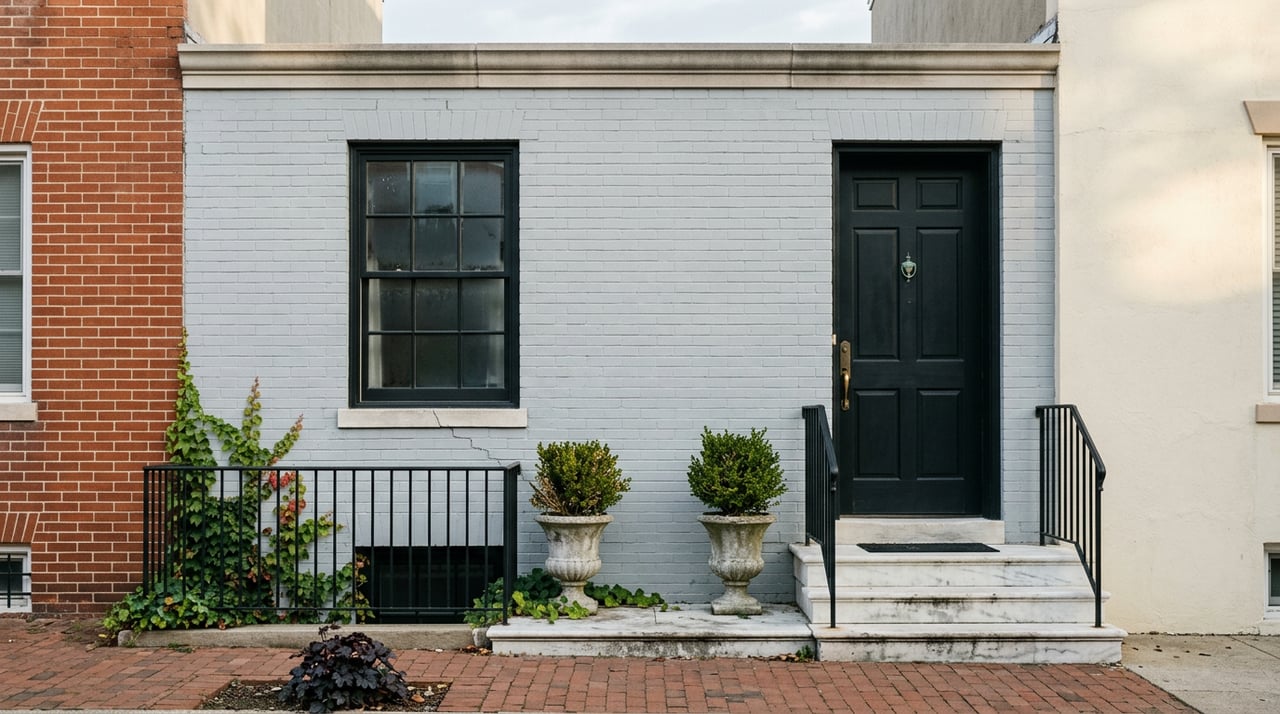
The residential identity around the waterfront is closely tied to Old Town’s historic development. Housing in the area includes narrow-lot Georgian, Federal, and Greek Revival townhomes, along with warehouse buildings that have been converted to residential or other uses.
That mix creates a streetscape with strong visual texture. Instead of broad uniform blocks, you often see variation in scale, frontage, and building type from one stretch to the next. For many buyers, that is part of the charm and part of what makes the area feel distinctive.
The preservation framework is also an important part of the story. The city’s Old & Historic District preservation framework dates to 1946, which helps explain why the neighborhood retains such a strong architectural identity today.
Even with its long history, the waterfront is not static. It continues to evolve through public-space planning and infrastructure work.
One of the most important current issues is flooding, particularly at the foot of Prince Street, which the city identifies as one of the waterfront’s most impacted spots. The flood-mitigation project is intended to reduce repeated disruptions while preserving access and open space.
That matters if you are thinking like a long-term homeowner. It shows that the city is actively working to balance preservation, public access, and resilience rather than treating the waterfront as finished.
Design consistency is part of that effort as well. The city uses common elements such as paving, lighting, and historic shoreline banding to keep new public-space work visually aligned with Old Town. As a result, change tends to feel integrated into the district rather than disconnected from it.
For many buyers, the appeal of the Old Town Alexandria waterfront comes down to balance. You get history, riverfront access, public space, transit options, and an established neighborhood feel in a compact setting.
It can suit different priorities at once. You may be looking for a home near a walkable routine, easier access to Metro and regional transit, or a neighborhood with architecture and public life that feel more layered than a newer planned community. The waterfront offers a strong combination of those qualities.
If you are trying to decide whether the area fits your lifestyle, the best question may be this: can you picture your ordinary Tuesday here, not just your ideal Saturday? In Old Town, that everyday experience is often exactly what draws people in.
If you are exploring Old Town Alexandria or comparing waterfront-adjacent options across Northern Virginia, Charonda Snell offers a polished, strategy-led approach to help you evaluate the right fit with clarity and confidence.
Stay up to date on the latest real estate trends.
A strategy-first approach, elevated service, and attention to detail define every client experience. From luxury homes to high-value transactions across DC, Maryland, and Virginia, every step is guided by thoughtful planning, strong communication, and a commitment to achieving exceptional results.