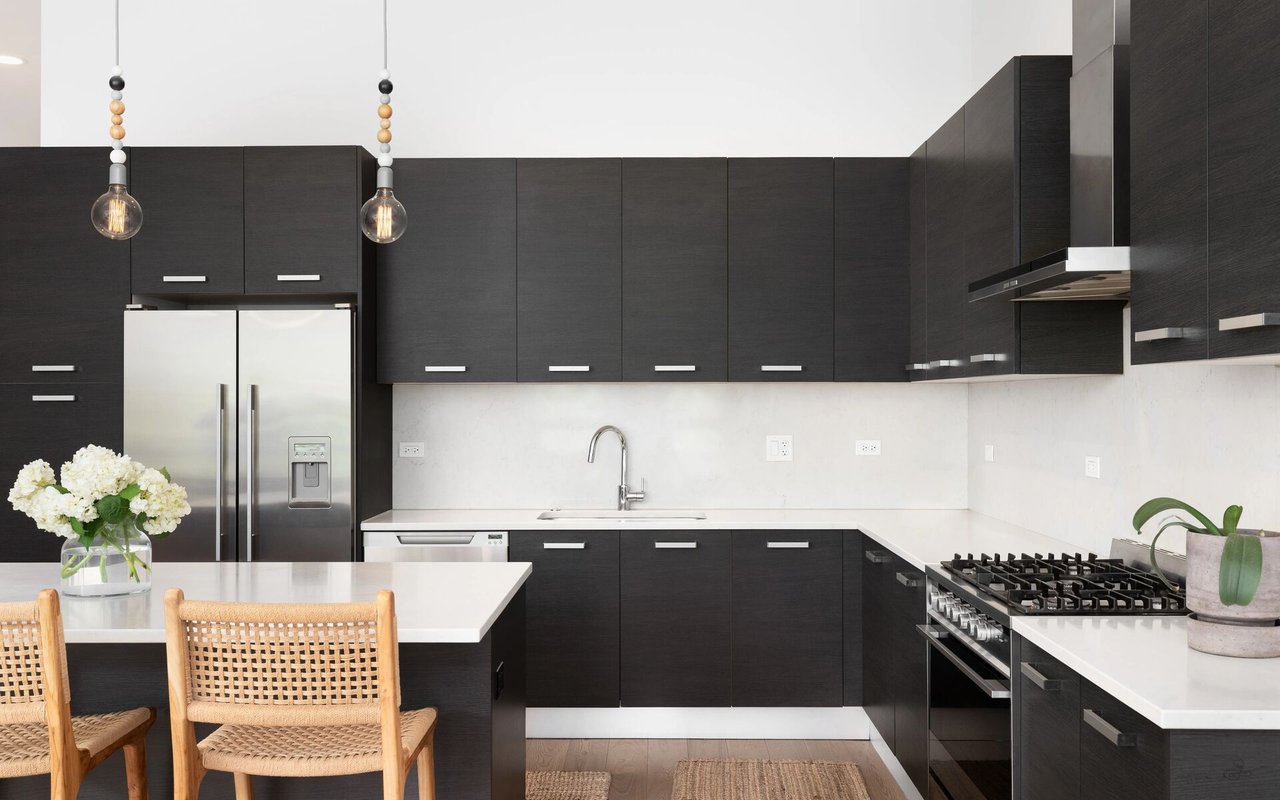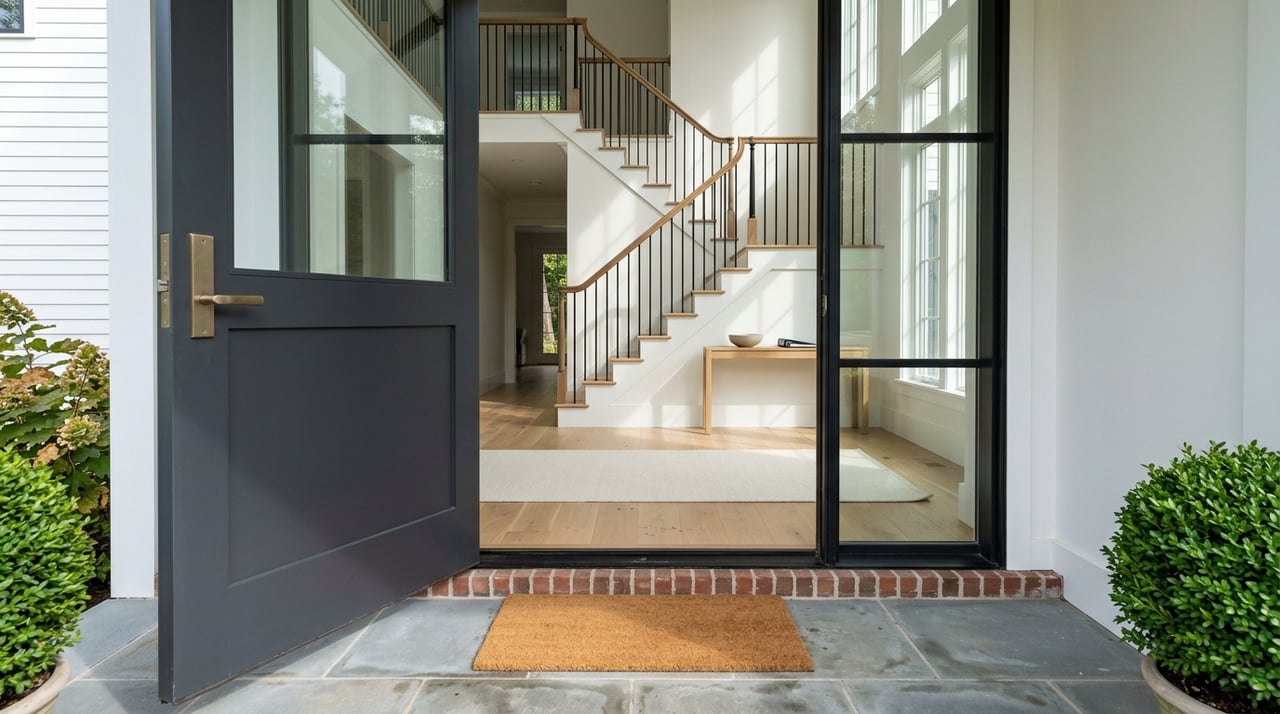
Brandywine MD New Construction or Resale: What Fits Best?
July 9, 2026
July 9, 2026
Buying in Brandywine often starts with one big question: should you choose a brand-new home or an existing one? If you are trying to balance budget, timing, features, and peace of mind, that choice can feel more complicated than it looks. The good news is that Brandywine offers a strong mix of both, and once you understand the tradeoffs, you can make a decision that fits your goals with more confidence. Let’s dive in.
Brandywine is a market where new construction and resale homes both play an important role. According to the 2020-2024 ACS estimates, about 52.5% of the housing stock was built in 2010 or later, including 23.6% built in 2020 or later and 28.9% built in 2010-2019. That means you are shopping in an area with a meaningful supply of newer homes, but also a solid base of established properties.
The area is also strongly owner-occupied. Owner-occupied units make up 95.9% of occupied housing, and 61.7% of units have four or more bedrooms. With a median owner-occupied home value of $551,000, Brandywine can appeal to move-up buyers, first-time suburban buyers, and households looking for more space.
If you like the idea of a home that is brand new, new construction can be appealing for several reasons. You may be drawn to newer finishes, modern layouts, or the opportunity to personalize some features before completion. In Brandywine, where a large share of homes are relatively recent, that option is especially relevant.
In Maryland, builders must be registered, and the state advises buyers to verify that registration before signing a contract. That is one of the first practical steps to take when comparing builders and communities.
Maryland also says a new-home contract should clearly spell out key terms, including:
Another important point is financing. Maryland's consumer guidance says new-home contracts are financing-contingent unless the contract expressly says otherwise. That makes it important to read the contract carefully and understand exactly how your financing protections are written.
The biggest practical difference with new construction is that you are often waiting for the home to be completed. Because the contract can allow extensions for specified delays, the move-in schedule may feel less certain than it would with an existing home.
If your timing is flexible, that may not be a problem. But if you need to line up a lease ending, a job relocation, or the sale of your current home, the construction timeline deserves close attention.
New construction also comes with some Maryland-specific consumer protections. The state says a builder generally must protect your deposit through escrow, a surety bond, or a letter of credit until settlement, return of the deposit, or contract default.
Warranty coverage is another area to review. If the builder offers a third-party warranty plan, Maryland says the minimum coverage is:
Before settlement, buyers should also complete a final walk-through and create a punch list. That gives you a chance to identify incomplete items or issues that need attention before closing.
If you prefer to see the exact home before you commit, resale may be the better fit. With an existing home, you can walk through the actual property, evaluate the layout, inspect the condition, and make decisions based on what is there rather than on a model or a plan.
That visibility is one of resale's biggest strengths. You are not guessing how the home will feel when complete because it already exists.
A resale home should still be evaluated carefully. Consumer guidance recommends scheduling an independent home inspection as soon as possible and notes that an inspection is different from an appraisal.
That inspection can reveal wear, damage, aging systems, or repair needs. If issues come up, you may be able to negotiate with the seller for repairs or a credit toward the cost, depending on the contract and the seller's position.
The main advantage of resale is simple: you can inspect the finished home you plan to buy. The main risk is that age-related maintenance or hidden repair items may appear during the inspection or after move-in.
That does not make resale the wrong choice. It just means you should weigh the value of a visible, existing home against the possibility of future maintenance.
Whether you choose new construction or resale, the purchase price is only part of the picture. A smart comparison also includes upgrades, closing costs, taxes, and the monthly cost of ownership.
Homebuying costs can include lender charges, closing services, and other fees, and the final amount depends on the home's price, down payment, loan type, property type, and location. For new construction, there is another layer to watch closely: upgrades and change orders can raise the price above the base model cost.
That is why a lower advertised base price does not always mean a lower final number. When comparing homes, it helps to look at the all-in cost, not just the starting point.
In Brandywine, local cost planning matters. Prince George's County says the FY2026 real property tax rate in the unincorporated area is $1.00 per $100 of assessed value.
County tax bills may also include additional charges, such as front-foot benefit assessments for water or sewer lines and solid-waste service. On the transaction side, the county finance affidavit says the county transfer tax is 1.4%, and Maryland Courts information lists the state transfer tax as 0.5% of consideration, or 0.25% for first-time Maryland home buyers purchasing a principal residence. The same county affidavit lists the state recordation tax at $5.50 per $1,000 on recorded financing documents.
If the home will be your principal residence, Maryland's Homestead Property Tax Credit can help limit taxable assessment increases to 10% or less each year. New purchasers are mailed a homestead application after the deed is recorded.
Maryland also offers a separate Homeowners' Property Tax Credit for income-qualified homeowners when property taxes exceed a fixed share of household income. In Prince George's County, eligible first-time buyers should also review Pathway to Purchase, which can provide up to $50,000 toward down payment and closing costs.
The best decision usually comes down to your comfort with timing, repairs, and budget flexibility. Asking the right questions early can help you avoid surprises later.
If you are considering new construction, ask:
If you are considering resale, ask:
In Brandywine, there is no one-size-fits-all answer. The area has enough newer housing and enough established homes that either path can make sense, depending on what matters most to you.
New construction may be a better fit if you want newer systems, modern finishes, and are comfortable with a timeline that may shift. Resale may be a better fit if you want to evaluate the actual home before buying and potentially move on a more predictable schedule.
For many buyers, the right choice comes down to three priorities: budget, move-in timing, and tolerance for repair uncertainty. If you compare those factors carefully, your answer often becomes much clearer.
A calm, strategy-first approach can make this decision far less stressful. If you are weighing new construction versus resale in Brandywine, Charonda Snell can help you compare options, ask the right questions, and move forward with clarity.
Stay up to date on the latest real estate trends.
A strategy-first approach, elevated service, and attention to detail define every client experience. From luxury homes to high-value transactions across DC, Maryland, and Virginia, every step is guided by thoughtful planning, strong communication, and a commitment to achieving exceptional results.